Contents
European Roulette Strategy: Understanding the Table and Wheel Layout
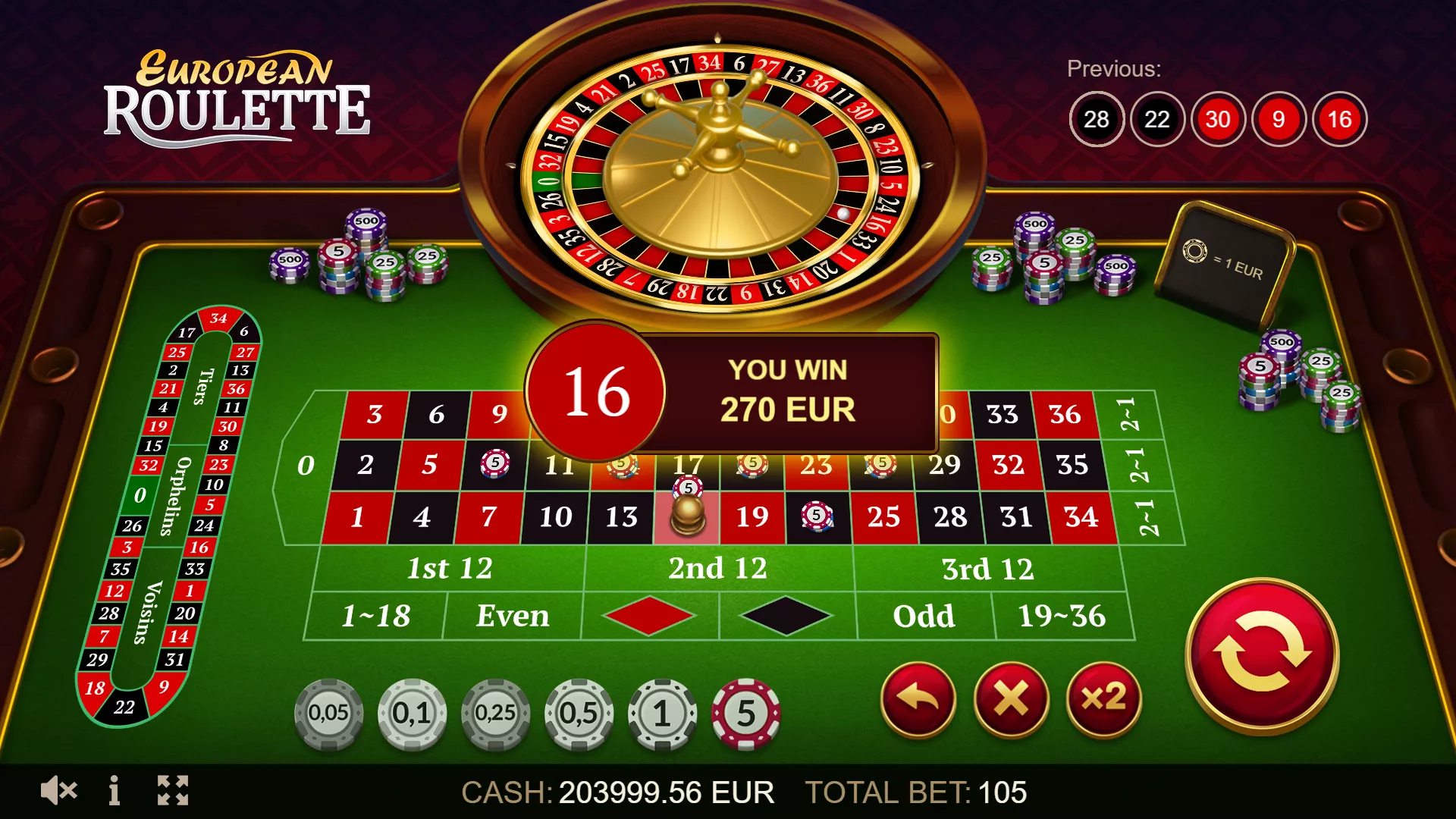
European Roulette stands as one of the most longstanding and popular variations of roulette, distinguished by its traditional configuration. The game features a wheel with 36 numbered pockets alternately colored red and black, complemented by a single green zero positioned at the top. This layout is fundamental to understanding the mechanics of the game and the application of various European roulette algorithm strategies.
European Roulette Wheel and Table Configuration
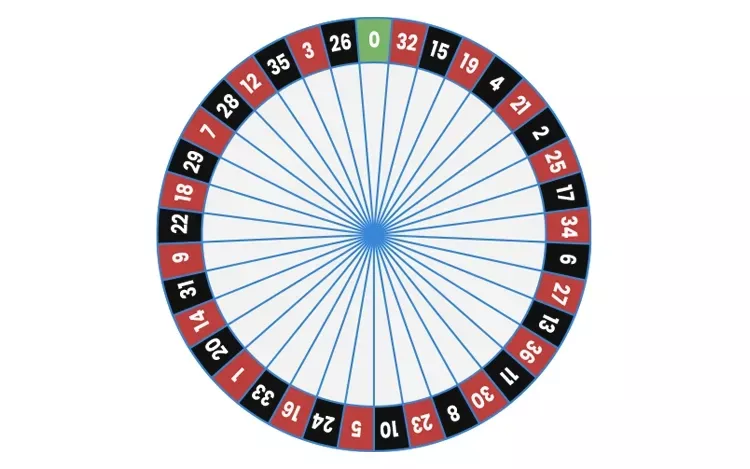
The numbering sequence on a European Roulette wheel follows a clockwise pattern, beginning with zero at the top and proceeding through a specific sequence: 0, 32, 15, 19, 4, 21, 2, 25, 17, 34, 6, 27, 13, 36, 11, 30, 8, 23, 10, 5, 24, 16, 33, 1, 20, 14, 31, 9, 22, 18, 29, 7, 28, 12, 35, 3, 26. This sequence forms the basis for various betting strategies, including the application of the european roulette algorithm.
| Layout Element | Description |
| Numbering Sequence | Follows a fixed clockwise pattern: 0, 32, 15, 19, 4, 21, 2, 25, 17, 34, 6, 27, 13, 36, 11, 30, 8, 23, 10, 5, 24, 16, 33, 1, 20, 14, 31, 9, 22, 18, 29, 7, 28, 12, 35, 3, 26. |
| Table Layout | The main numbers are arranged in three rows of twelve, with the green zero located at the start or end of the top row. Outside bets are positioned on the perimeter of the table for easy access. |
| Bet Types | Includes various inside and outside bets designed to diversify wagering options and strategies. |
- Select your stake using the control panel and place virtual chips on the desired betting areas.
- Once your bets are set, activate the spin function to set the wheel in motion.
- Observe as the ball lands; the virtual dealer will announce the winning number, confirming your outcome.
- If successful, winnings are automatically credited to your casino account, enhancing the gaming experience.
Maximizing Your Experience with European Roulette Strategies
Adopting strategic play is vital for optimizing your roulette sessions. Various approaches, including the application of the european roulette strategy, can influence your potential outcomes and bankroll management.
- Experiment with different strategies such as the Martingale, Fibonacci, or labouchere to discover what best suits your play style.
- Understanding and testing different bet types, including outside and inside bets, can help maximize advantages-whether playing for fun or with real stakes.
- Always remember to play responsibly and within your limits, avoiding the misconception that wins are ever guaranteed. Chasing losses can undermine your gaming experience.
Top European Roulette Algorithm Strategies for Optimal Play
In the realm of casino gaming, particularly roulette, employing a strategic approach can enhance the gaming experience and potentially improve outcomes. Various systems are designed to manage bets, risks, and profits effectively, with the aim of optimizing your performance at the roulette wheel. Understanding these strategies allows players to make informed decisions and develop a tailored approach suited to their risk appetite and bankroll size.
The Martingale System and Its Implications in European Roulette Strategy
The Martingale approach is one of the most well-known betting strategies used in roulette. It involves doubling the wager after every loss with the objective of recovering all previous losses once a win occurs. Although straightforward and easy to implement, this method requires a substantial bankroll and faces limitations in environments with table betting caps. It is particularly effective in the short term but carries significant risk if extended beyond one's financial capacity or if encountering a prolonged losing streak.
Alternative Approach Through Reverse Martingale Strategy
The Reverse Martingale, also known as the Paroli system, offers a contrasting methodology by increasing bets upon wins rather than losses. This approach aims to maximize winning streaks while limiting losses by reverting to the initial stake after a loss. Starting with a modest bet, players double their wager after each successful round, thereby capitalizing on gaining momentum. This system reduces the risk of substantial losses and is considered more sustainable for players seeking a balanced approach in European roulette.
Risk Management with the D'Alembert and Fibonacci Strategies
The D'Alembert system offers a more conservative method by incrementally adjusting bets based on outcomes-raising bets after losses and decreasing after wins. This incremental adjustment helps manage bankrolls effectively and minimizes exposure to significant losses. Similarly, the Fibonacci strategy employs a sequence-based system, where bets follow the Fibonacci progression. Both strategies are designed to balance risk while aiming to recover previous losses, making them suitable for players interested in structured, mathematically grounded approaches.
Implementing Flat Betting and the Labouchère System
Flat betting involves wagering a consistent amount in each round, promoting disciplined play and straightforward bankroll management. It is widely regarded as one of the safest strategies, especially for casual players. Conversely, the Labouchère system employs a sequence of numbers that guides bet sizes, allowing targeted profits while requiring more experience to manage effectively. Both methods exemplify different philosophies in roulette strategy-one emphasizing simplicity and control, the other focusing on structured progression.
| Strategy | Description |
| Martingale | Double the bet after each loss to recover previous losses and gain profit. |
| Reverse Martingale | Increase bets after each win to capitalize on winning streaks while limiting losses. |
| D'Alembert | Adjust bets by one unit after wins or losses, balancing risk and reward. |
| Fibonacci | Follow the Fibonacci sequence to determine bet sizes, aiming for gradual recovery. |
| Flat Betting | Maintain the same wager for each round to promote consistent bankroll management. |
| Labouchère | Use a sequence of numbers to structure bets, with targeted profit goals. |
- Choose a strategy aligned with your risk tolerance and bankroll capacity.
- Understand the limitations of each system, especially table limits and betting constraints.
- Practice responsible gambling by setting win and loss limits before engaging in games.
Use this promo code for european roulette strategy and get bonus.
European Roulette Strategy: Analyzing the Andrucci System
The Andrucci roulette strategy represents a distinctive approach within the landscape of European roulette strategies. Unlike more conventional methods that often rely on systematic betting patterns, this strategy emphasizes leveraging fortunate outcomes to achieve profitability. While it offers the potential for significant rewards, it also exposes players to elevated risk levels, making it less suitable for conservative or risk-averse gamblers.
The Concept and Theoretical Foundations of the Andrucci Strategy
The core principle behind the Andrucci system draws inspiration from chaos theory, which suggests that complex, seemingly random systems can exhibit identifiable patterns under certain conditions. Specifically, players observe a series of roulette rounds-typically 30 to 40 spins-at their chosen table. During this observation phase, they record the outcomes and identify the 'hot numbers'-those that land more frequently during this period. These numbers are then targeted in subsequent bets, with the aim of capitalizing on their short-term statistical advantage.
| Observation Period | 30-40 spins |
| Strategy Focus | Identify hot numbers |
| Bet Type | Single number (straight up) |
| Expected Spins to Break Even | Up to 35 spins |
- Players select one hot number after observation and wager on it in a straight-up bet.
- The strategy recommends not exceeding 35 spins per betting cycle to manage risk effectively.
- Following 35 spins or upon completing the cycle, players should reassess and repeat the observation process to select new numbers.
Grand Martingale Roulette Strategy: An Analytical Overview
The Grand Martingale roulette strategy represents an advanced variation of the conventional Martingale approach, tailored to meet the expectations of high-stakes players. This method aims to maximize potential returns by modifying traditional betting patterns to suit players seeking substantial payouts.
Understanding the European Roulette Algorithm Within the Grand Martingale Strategy
Fundamentally, the Grand Martingale operates similarly to the classic Martingale but incorporates an additional betting mechanism. When a player opts to double their subsequent wager, they also add an amount equivalent to their initial stake. This adjustment creates a
Understanding the James Bond Roulette Strategy
The James Bond Roulette Strategy is a popular choice among novice players due to its straightforward approach and potential to maximize winning opportunities. This method involves combining multiple bets to increase the odds of a successful outcome. However, it is important to note that implementing this strategy effectively requires maintaining a substantial bankroll to cover the necessary wagers.
Implementation of the European Roulette Algorithm
To execute the James Bond strategy using an example stake of €200, players should allocate the bets in the following manner: €10 on zero, €140 on the 19-36 segment, and €50 on the 13-18 segment. This allocation is designed to cover various sections of the roulette wheel, thereby optimizing the chances of winning on each spin.
| Bet Type | Amount (€) |
| Zero (0) | 10 |
| 19-36 box | 140 |
| 13-18 box | 50 |
- Players only face a loss if the ball lands on a number between 1 and 12.
- This strategy is considered one of the most effective for applying the European roulette algorithm due to its structured bet distribution and risk mitigation.
Fibonacci Roulette Strategy for Optimal Betting
The Fibonacci roulette algorithm is grounded in the mathematical sequence known for its widespread applications in various fields. This strategy employs the Fibonacci number sequence to determine the stake size for each bet, providing a systematic approach to betting that balances risk and potential reward. Specifically, the next stake is calculated by summing the two previous stakes, which helps players manage their bankroll methodically throughout their gaming session.
Implementation of the Fibonacci Roulette Strategy
In practice, this approach involves starting with an initial stake of one unit, typically one dollar, and adjusting subsequent bets based on the outcome of the previous spin. If a player wins, they regress two steps in the sequence, reducing their stake accordingly. Conversely, if they lose, they advance one step, increasing their wager for the next spin. This method aims to recover losses incrementally while capitalizing on potential winning streaks, making it a notable aspect of the european roulette strategy repertoire.
| Fibonacci Number in Sequence | Corresponding Stake |
| 1 | 1 |
| 1 | 1 |
| 2 | 2 |
| 3 | 3 |
| 5 | 5 |
| 8 | 8 |
| 13 | 13 |
- Begin with an initial stake of one unit.
- Post-win, regress two steps in the sequence to lower your bet.
- Post-loss, move forward one step to increase your stake.
- The strategy aims to harmonize risk management with the potential for consistent gains.
The 8 Best European Roulette Strategies 2025 Expert Guide
In the realm of casino gaming, particularly European roulette, implementing effective strategies can significantly influence outcomes. This comprehensive guide explores the top eight strategies designed to optimize your gameplay and maximize your potential winnings. Understanding and applying these methods can provide a strategic advantage in a game predominantly governed by chance.
Fundamental Approach and Betting Patterns
A core element of successful roulette play involves developing a structured betting plan. Players should analyze previous outcomes and predict probable results with careful consideration. Typically, bets are placed on various table amounts based on derived patterns, adapting dynamically as the game progresses. When a wager is lost, progression moves to the next bet in the sequence, while a win often results in regressing two steps or resetting to the initial stake. This pattern-based approach aims to balance risk and reward consciously.
| Betting Sequence | Outcome |
| Progress to next level after loss | Increase stake accordingly |
| Retreat after win | Decrease stake or reset |
- To enhance success, players should diversify bets beyond individual straight numbers and consider broader options such as red, black, or column bets.
- Employing advanced systems like the European roulette algorithm can assist in managing bet escalation and reduction in accordance with game results.
- Consistent application of these strategies requires discipline and a thorough understanding of roulette's probabilistic nature.
European Roulette Strategy: The Ultimate Guide
European roulette remains a popular choice among casino enthusiasts due to its favorable odds and simplified gameplay. The primary goal for players is to predict the landing of the ball on the spinning wheel. While the game fundamentally relies on chance, employing a well-considered strategy can influence the outcome and enhance the overall gaming experience.
Understanding European Roulette Algorithms and Strategies
Although each spin is independent and based on luck, players often adopt various strategies to optimize their bets. The European roulette algorithm involves analyzing past results and employing systematic betting techniques. These strategies are designed to manage bankrolls effectively and improve the probability of accruing winnings over time.
| Strategy | Description |
| Martingale | Doubling bets after each loss to recover previous losses and gain a profit. |
| Fibonacci | Using a sequence of numbers to determine bet sizes, reducing risk over longer sessions. |
| D'Alembert | Adjusting bets upward after losses and downward after wins to balance outcomes. |
| Labouchere | Creating a betting line and crossing off numbers as you win or lose, aiming to reach a desired profit. |
- Consistently manage your bankroll to avoid excessive losses.
- Apply the chosen European roulette strategy systematically rather than impulsively.
- Be aware that no strategy guarantees wins; always gamble responsibly and within your means.
- Understand the specific rules of the European roulette game variant you are playing.
European Roulette Strategy: An Analytical Overview of the James Bond Technique
The James Bond roulette strategy is a well-known betting system inspired by the fictional espionage character. Despite the character's lack of casino involvement in films, the strategy has gained popularity among roulette enthusiasts. Distinct from other betting systems, it employs a flat betting approach, where the bettor wagers a consistent amount across all spins regardless of previous outcomes. This method allows players to tailor their bets according to individual risk tolerance and financial comfort.
Strategic Composition and Implementation
The core of the European roulette algorithm in this strategy involves placing a combination of bets that target specific segments of the roulette wheel. Typically, the player bets on the high numbers from 19 to 36 and makes additional wagers on even-money outcomes such as Red or Black. A smaller portion of the stake is allocated to the Zero pocket, which adds an element of risk and potential reward. This layered approach aims to maximize the coverage of the wheel while maintaining a balanced risk profile.
| Bet Type | Stake |
| Numbers 19-36 | £14 |
| Line bet on numbers 13-18 | £5 |
| Zero pocket | £1 |
For each spin, a standard token amount-for example, £20-is divided among these bets. The proportional split remains consistent, but players may adjust the actual stakes based on their preferred betting limit. When the ball lands within the targeted segments, the winnings are as follows:
| Bet Type | Winnings |
| Numbers 19-36 | £8 |
| Line bet on numbers 13-18 | £10 |
| Zero pocket | £16 |
- The strategy covers over half of the wheel, limiting exposure to only 12 numbers which are not covered by the bets.
- While the profits per successful spin are modest, they can accumulate over time into significant gains.
- It is important to consider that the strategy relies heavily on luck, as not all wheel segments are covered, and specific 'hot numbers' can influence the outcome.
European Roulette: Latest articles
How to play european roulette
Learn how to play European roulette with this easy guide, covering rules, strategies, and tips to enhance your gaming experience.
European roulette simulator
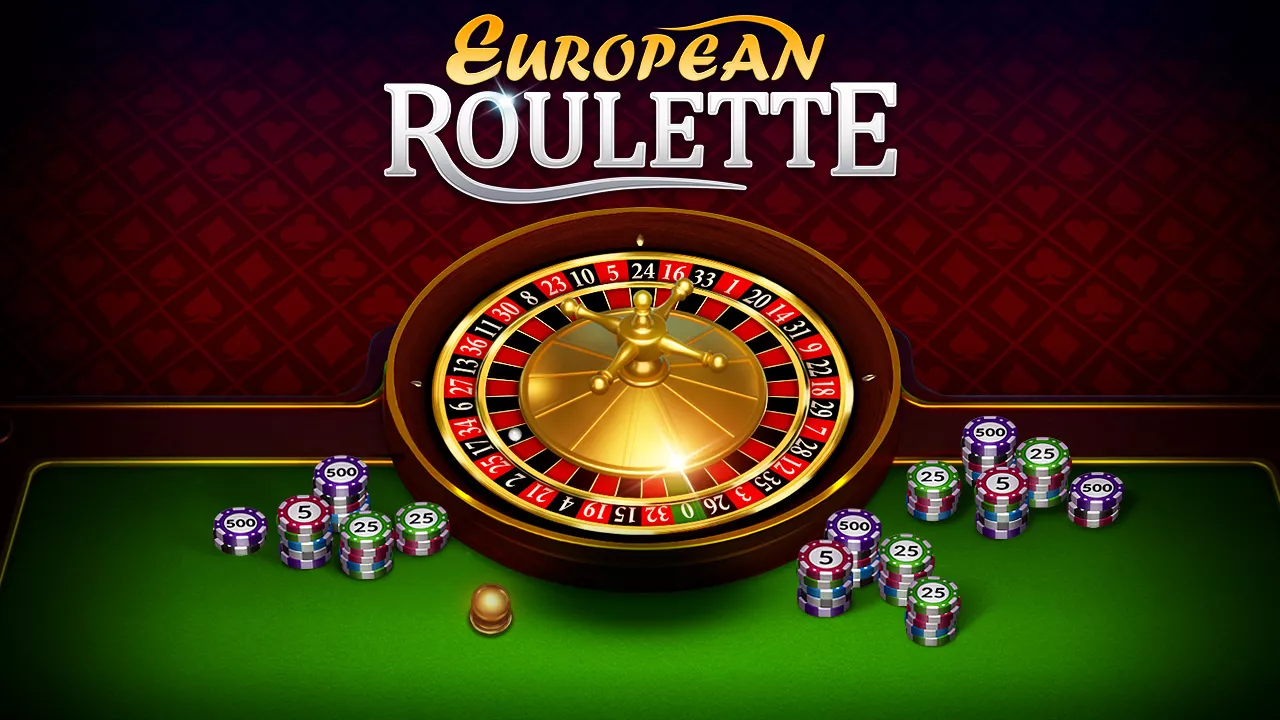
Experience the thrill with our European roulette simulator. Play for free online and learn the game's mechanics in a realistic virtual environment.
European roulette wheel
Discover how the European roulette wheel operates and learn strategies to improve your chances when playing this classic casino game.
Understanding How European Roulette Strategy Enhances Your Game
A comprehensive understanding of roulette fundamentals is essential for developing effective strategies. The term “roulette” originates from the French language, translating to “little wheel.” This classic casino game, which emerged in France during the 18th century, features a small spinning wheel segmented into various pockets, each marked with either a number and a color. Players anticipate the outcome by predicting the pocket in which a ball will land after the wheel spins.
Overview of Roulette Variants and Their Probabilities
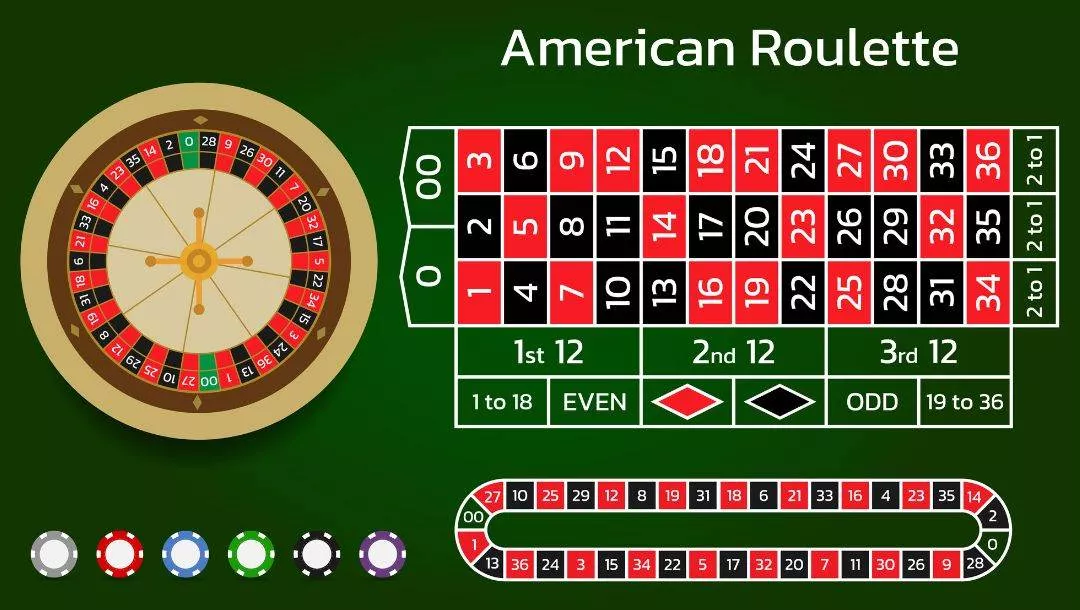
Roulette primarily exists in two configurations, distinguished by the number of pockets and associated house edges. The American version includes a single zero and double zero (00), whereas the European variant features a single zero only. The presence of zero pockets impacts payout odds and defines the house edge for each version. In European roulette, the wheel typically comprises 37 pockets-numbers 1 through 36 plus one zero-resulting in specific strategic considerations. The color distribution assigns red or black to numbered pockets, while zero pockets are typically green, influencing betting strategies such as the European roulette algorithm.
Betting Types and Strategic Approaches
| Bet Type | Description |
| Inside Bets | Wagers placed on specific numbers or combinations, such as single numbers, splits, streets, or corners. |
| Outside Bets | Wagers on broader categories like dozens, columns, high/low, red/black, or odd/even. |
- Inside bets offer higher payouts but lower probabilities of winning.
- Outside bets provide increased chances of success with correspondingly lower payouts.
- Employing a strategic balance between inside and outside bets can optimize your gaming session based on risk appetite.